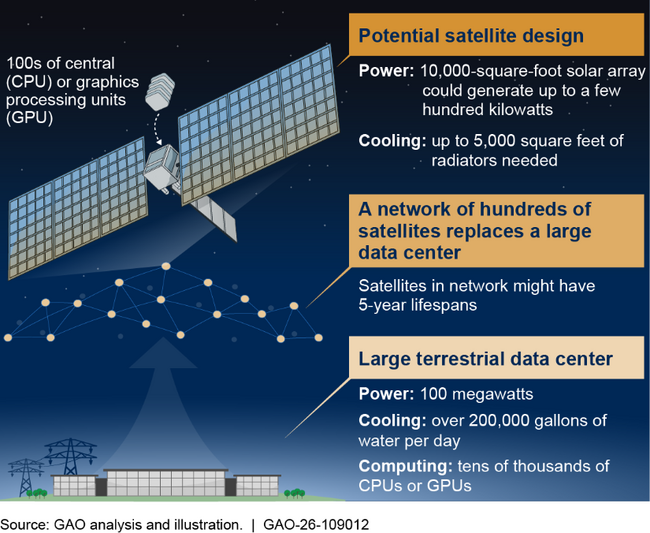
If data centers are going to need nearly $7 trillion in investment by 2030, it is not surprising that people are looking beyond Earth.
AI workloads are growing, new campuses are being announced everywhere, and the physical side of compute is becoming harder to ignore. Power, cooling, land and staffing are all becoming serious constraints.
In theory, space offers abundant solar energy and fewer land constraints. But it also creates a very basic problem.
Who maintains the machines?
On Earth, if something fails, a technician can walk into the facility. They can check a rack, inspect a cable, swap a drive, clean an area, move equipment or respond to an alarm.
In space, that model breaks. You cannot easily send someone down the aisle when the aisle is in orbit.
So before asking whether data centers can move to space, there is a simpler question:
How automated are data centers on Earth today?
The answer is: more than most people think, but far less than full autonomy.
Robots are already entering data centers, but mostly in narrow, practical ways.
1. Inspection and patrol
The most visible example is inspection.
Novva Data Centers has used Boston Dynamics Spot robots at its Utah facility. These robot dogs can move around the site, monitor equipment and help detect issues.
Ghost Robotics also has similar quadruped robots that are being looked at for security and inspection use cases.
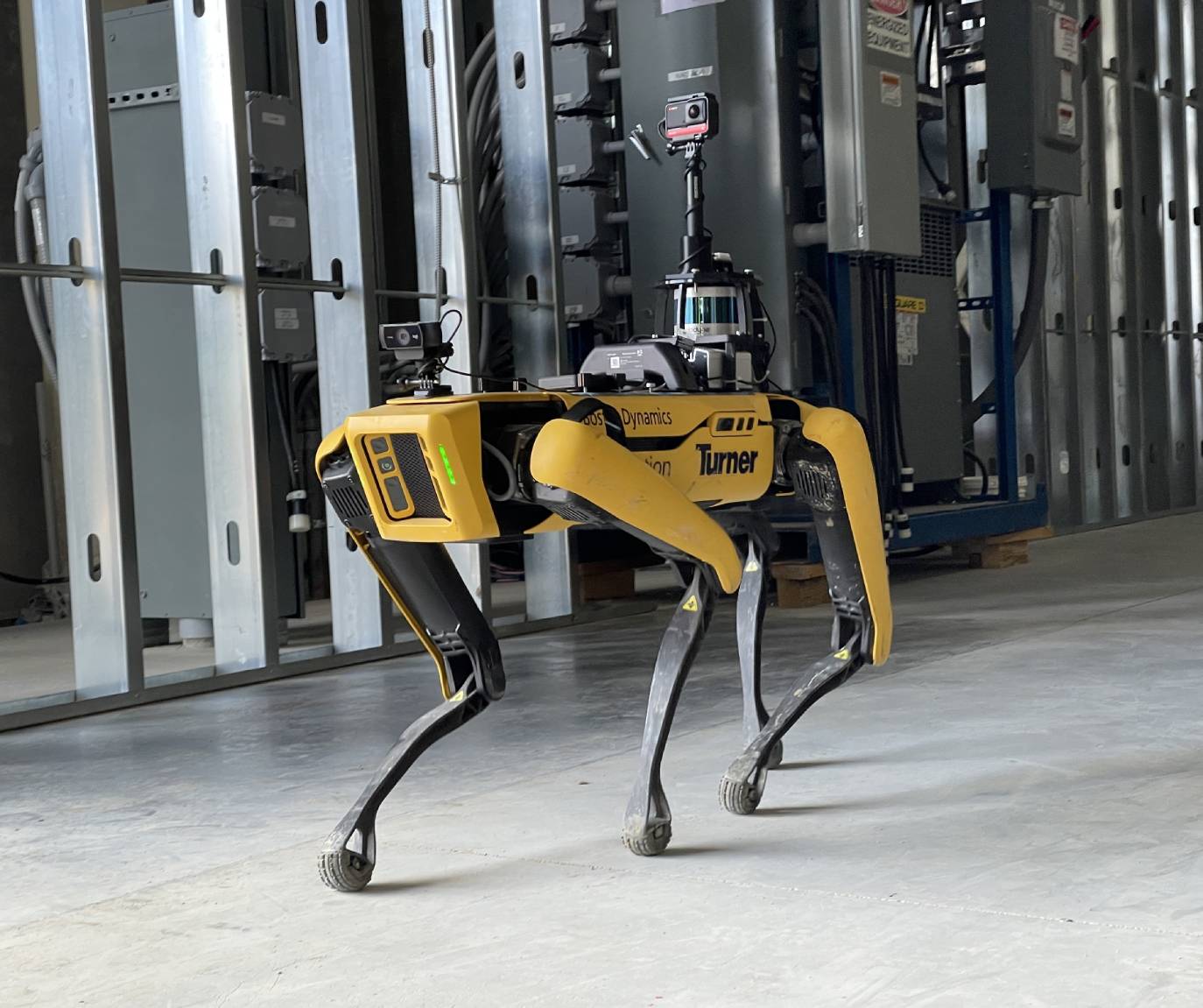
But these robots are not fixing servers yet. They are closer to mobile sensors. They give operators more eyes inside large facilities.
2. Fiber and network automation
Then there is fiber automation.
This is less flashy than a robot dog, but probably more mature.
Companies like Telescent are building robotic patch panel systems that can remotely change fiber connections.
DE-CIX has also used patch robots for network provisioning.
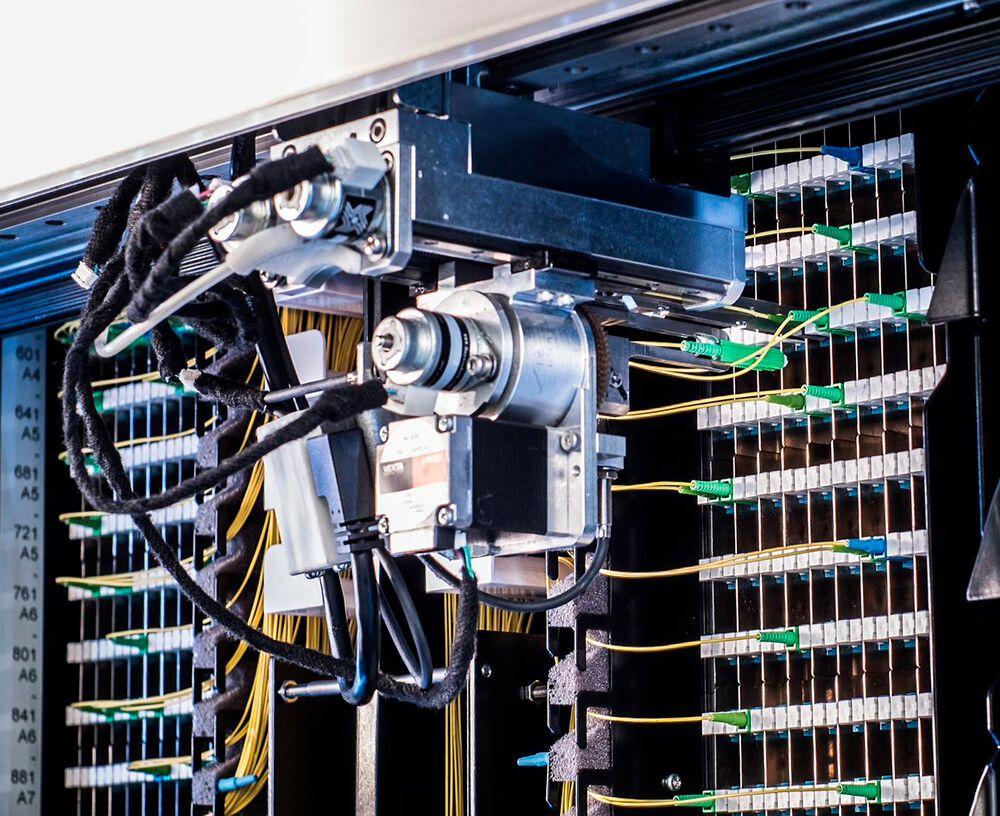
That matters because data centers are full of physical connections. Every manual patch is a chance for delay or error. Automating even one part of that workflow can save time.
3. Hardware Maintenance
The more interesting example is hardware maintenance.
Alibaba Cloud has talked about its Tianxun robot, which can inspect servers, find faulty hard disks and replace them automatically. That is a big step beyond simple patrol.
It is still not a general-purpose robot technician.
But it shows where this is going.
A lot of data center work is repetitive, physical and high-volume. If a robot can do one of those jobs safely, it does not need to do everything.
4. Rack and Asset Movement
There are also robots for moving heavy equipment.
Naver’s Gak Sejong data center in South Korea uses robots for server and asset handling.
That makes sense because AI infrastructure is getting heavier and denser. Moving racks and equipment safely is becoming a real operational problem, not just a warehouse problem.
5. Robot Remote hands
Then comes the harder frontier: robot remote hands.
This is where startups like YC-backed Boost Robotics are worth watching. They are building mobile robots that can inspect and physically interact with data center infrastructure.
Cobot is another company focused on this problem. Rather than treating robotics as a warehouse automation challenge, it is building robots designed specifically for data center environments, where safe navigation and reliable interaction with infrastructure matter just as much as mobility.
Microsoft Research is also exploring robotics for self-maintaining data centers, including cables, optical transceivers, deployment and decommissioning.
This is the difficult part.
Seeing a problem is one thing. Touching the right thing is another.
A robot in a data center cannot just look cool in a demo. It has to avoid the wrong cable, the wrong port, the wrong rack and the wrong movement. One mistake can become an outage.
That is why nobody has a fully autonomous data center today.
What we have today is partial automation. The industry has working examples across inspection, fiber patching, hardware replacement, equipment movement and early remote manipulation. But no robot system is running the whole data center end to end.
It is not science fiction anymore. It is also not magic.
The near-term future is not empty data centers with no humans. It has fewer unnecessary walkarounds, faster response times, better visibility and more physical work handled remotely.
And that is why the space data center conversation is useful, even if space itself is still far away.
Can we operate critical infrastructure when humans cannot simply walk over and fix it?
Every giant leap into space begins by removing one unnecessary walk down an aisle.
"Humanity may reach for the stars, but robotics will keep the lights on."
Sources
U.S. Government Accountability Office (GAO), Science & Tech Spotlight: Data Centers in Space (GAO-26-109012)
Boston Dynamics – Spot robot deployments and industrial inspection
Novva Data Centers – Spot robot deployment at the West Jordan, Utah campus
Ghost Robotics – Quadruped autonomous robots
Telescent – Robotic Fiber Patch Panel (RFPP)
DE-CIX – Automated fiber patching and network provisioning
Alibaba Cloud – Tianxun intelligent server maintenance robot
Naver Cloud – GAK Sejong Data Center robotics and automation
Microsoft Research – Self-maintaining data center research and robotic infrastructure
Boost Robotics – Mobile robotics for data center operations